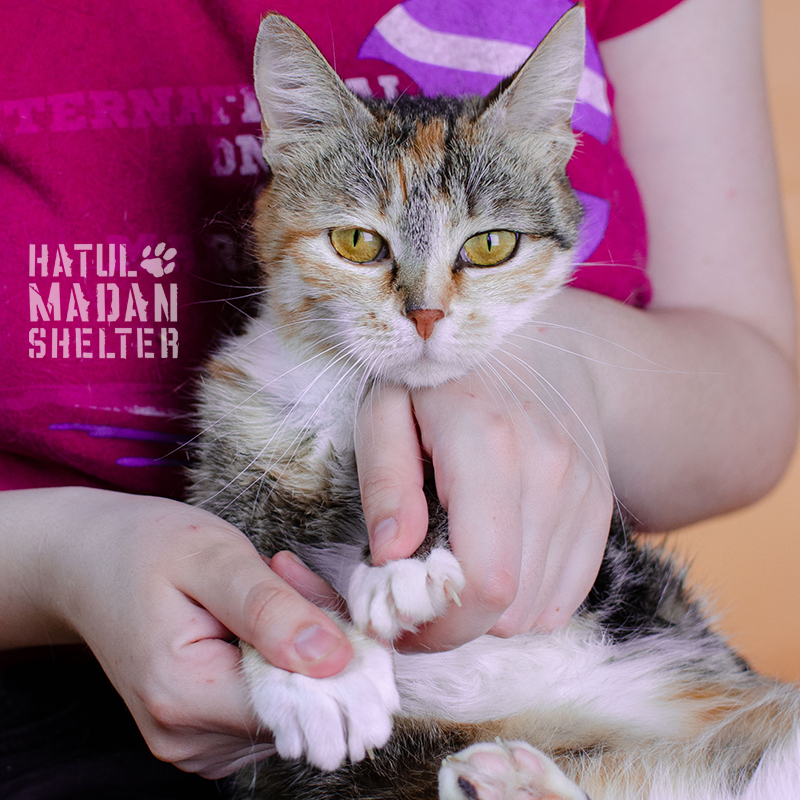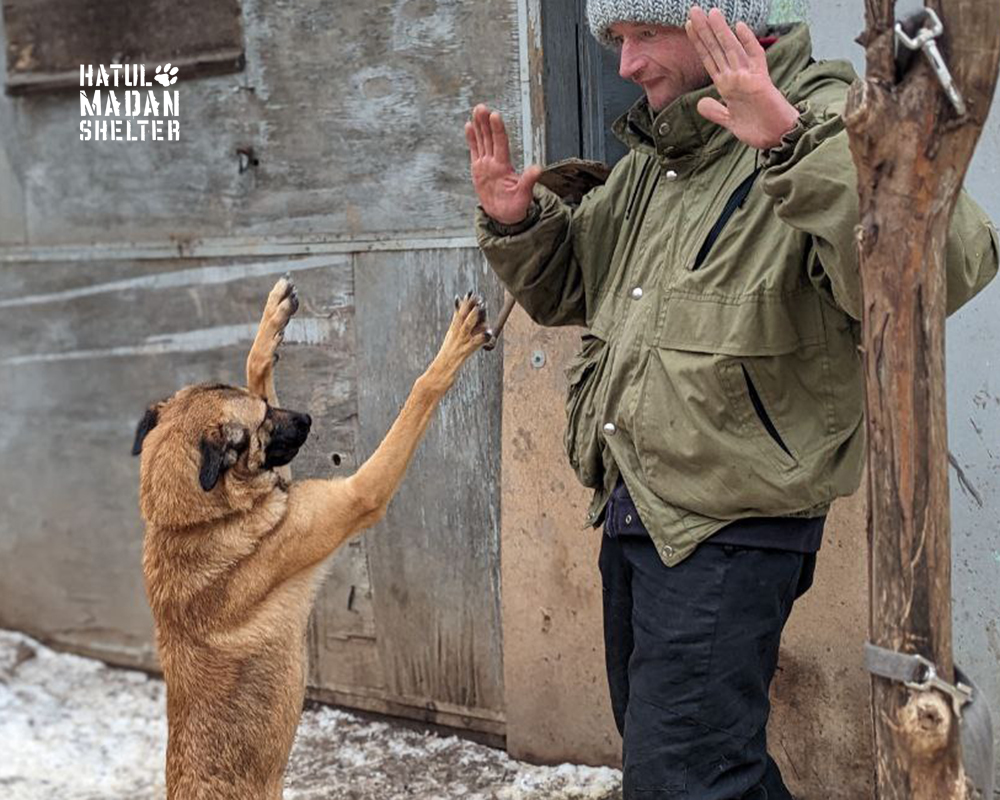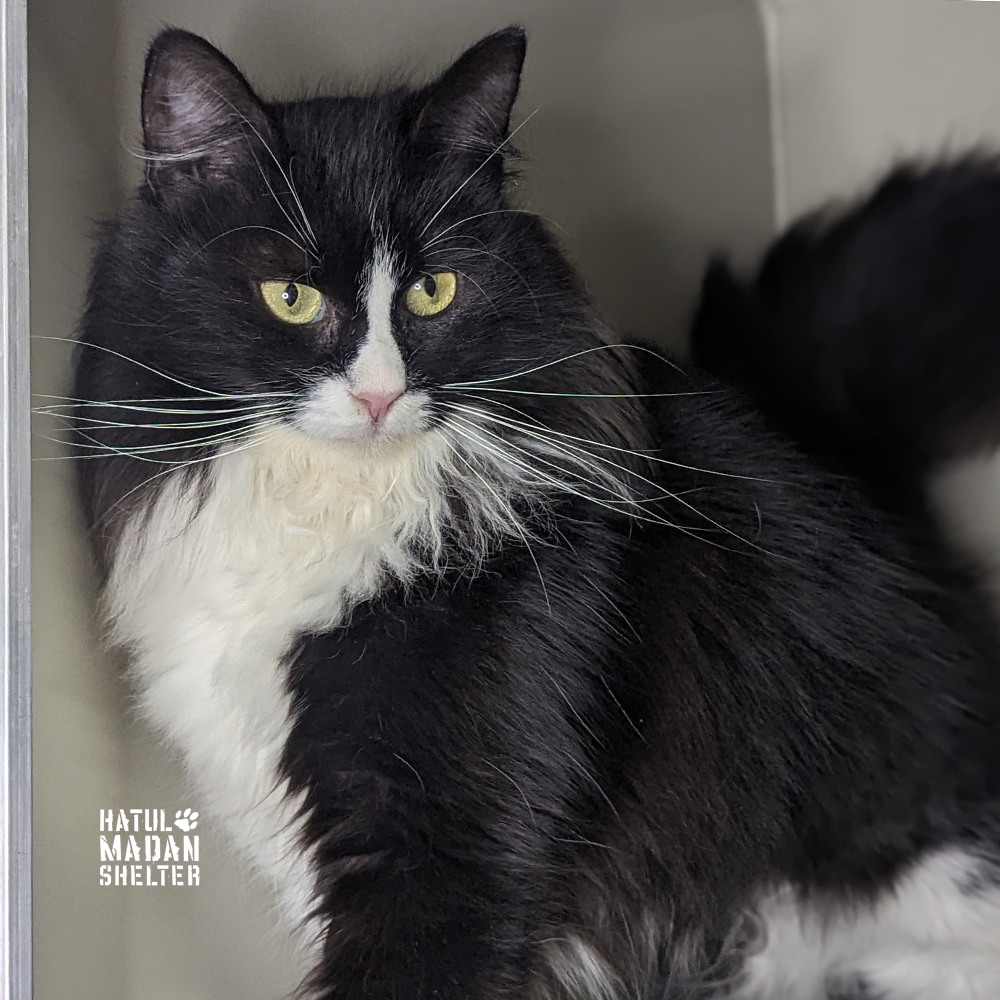
Over the past two years, we have rehomed more than two hundred cats. And one dog.
One.
We hesitated for a long time before writing this out loud. Because talking about failure is frightening. Because behind each of these numbers are living beings who are waiting. Because admitting that the system isn't working is painful when you are part of that system and trying your hardest.
But we can no longer stay silent.
Why Cats Get Adopted and Dogs Don't
We are not sociologists and cannot give a complete answer. But here is what we see every day.
A cat fits into any apartment. It doesn't need walks at five in the morning, doesn't bark at neighbours, doesn't require training. In wartime, when people live in constant uncertainty — renting temporary housing, relocating, evacuating — a cat feels like a "manageable" choice.
A dog is a responsibility of a different scale. And people know this. Many of those who reach out to us say honestly: "We would take one, but we can't right now." The war has changed how far ahead anyone can plan. Nobody knows what life will look like in six months. And a dog is a ten-year commitment.
Our dogs are special in the most literal sense. Most of them have survived evacuation from active combat zones, the loss of their owners, months on the streets. They are frightened and mistrustful; they need time and patience. That is not a flaw — it is their story. But it is precisely this that makes them seem "inconvenient" for adoption in the eyes of people looking for an "easy" pet.
Kotsyubynske: A Debt That Weighs on Us
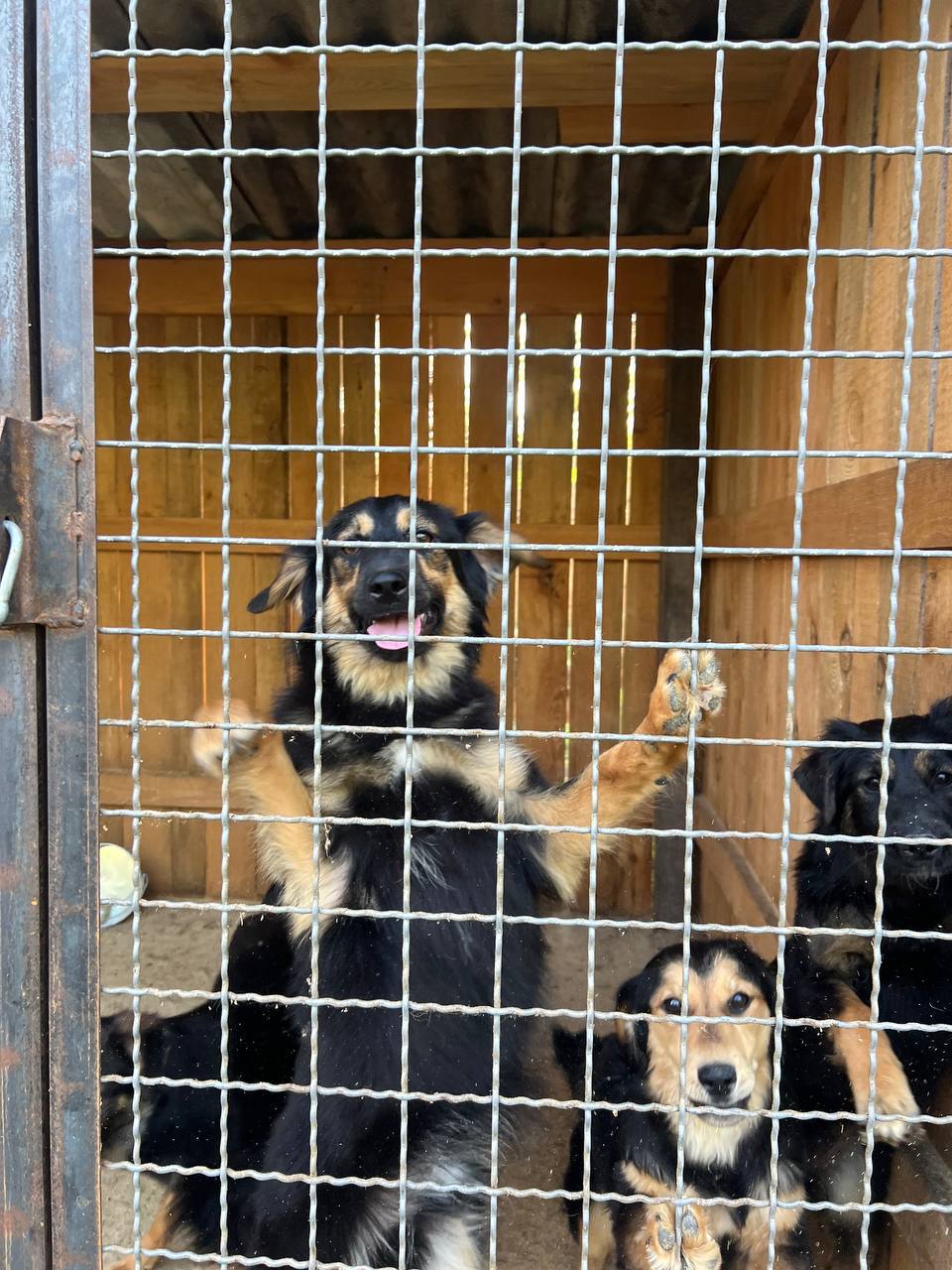
Our dogs are housed at a foster facility in Kotsyubynske. The people who care for them are not an organisation or a business. They are people who once said "yes," and continue to keep their word even when we cannot keep ours.
Today we owe them more than 350,000 hryvnias.
This is not an abstract figure in a report. These are real people who cannot afford their own medication. This morning we received a message from the owner of the foster home — she had an asthma attack and cannot buy an inhaler, because the last of her money went toward food for our dogs. She does not blame us. Through tears, she asks us to close the debt as soon as possible.
We make payments every month. But the total does not go down — it grows, because the dogs still need to be cared for and our income does not cover even current expenses.
We don't know what to do. That is not a rhetorical statement. We genuinely don't know. There is simply nowhere for us to get this money.
Why We Are Saying This
Because shelters usually only share their successes. Happy photos of animals in new homes, tears of joy at foster handovers, before-and-after stories. That is real — but it is not the whole picture.
The whole picture also includes this: an organisation operating in wartime, balancing on the edge every month, afraid that one day it will not be able to go on.
We are afraid. We are saying this plainly.
We are afraid we will not be able to repay the people who trusted us. We are afraid that the dogs we evacuated from under shelling will spend the rest of their lives in foster care — not because there is anything wrong with them, but because no one came. We are afraid that the financial burden will one day outweigh our desire to continue.
What You Can Do
If you have been thinking about adopting a dog — please write to us. Tell us about your life, your circumstances, your concerns. We are not looking for perfect owners. We are looking for real ones.
If you cannot adopt right now — please help financially. Every contribution goes directly toward the dogs' care and paying down the debt to the foster home.
If you have ideas for how to change the adoption situation for dogs — we are ready to listen. Seriously. We are open to anything that might work.
These dogs survived a war. They deserve more than just to survive.
Hatul Madan Animal Shelter, Kyiv. We help animals affected by the war in Ukraine.